%2Ffit-in%2F250x250%2Fguide_websites%2F119354%2Fimages%2F1771043661510chatgptimagefeb14202610_09_23am.png&w=1920&q=100)
/users/fc28bccc-4d1f-4015-8d58-81cad7964d5d/ratecard/1000005744-mlrfzpp9.jpg)
%2F300x300%2Fusers%2Ffc28bccc-4d1f-4015-8d58-81cad7964d5d%2Fratecard%2F1000005744-mlrfzpp9.jpg&w=256&q=75)
%2F300x300%2Fusers%2Ffc28bccc-4d1f-4015-8d58-81cad7964d5d%2Fimages%2Ftautog-catch-norfolk-2383.jpg&w=256&q=75)
%2F300x300%2Fusers%2Ffc28bccc-4d1f-4015-8d58-81cad7964d5d%2Fimages%2Ffishing-norfolk-2409.jpg&w=256&q=75)
%2F300x300%2Fusers%2Ffc28bccc-4d1f-4015-8d58-81cad7964d5d%2Fimages%2Ffishing-virginia-adventure-2525.jpg&w=256&q=75)
%2F300x300%2Fusers%2Ffc28bccc-4d1f-4015-8d58-81cad7964d5d%2Fimages%2Ffishing-norfolk-2678.jpg&w=256&q=75)
%2F300x300%2Fusers%2Ffc28bccc-4d1f-4015-8d58-81cad7964d5d%2Fimages%2Ffishing-adventure-virginia-3060.jpg&w=256&q=75)
%2F300x300%2Fusers%2Ffc28bccc-4d1f-4015-8d58-81cad7964d5d%2Fimages%2Fsummer-flounder-fishing-va-3205.jpg&w=256&q=75)
%2F300x300%2Fusers%2Ffc28bccc-4d1f-4015-8d58-81cad7964d5d%2Fimages%2Ffishing-norfolk-best-great-3373.jpg&w=256&q=75)
%2F300x300%2Fusers%2Ffc28bccc-4d1f-4015-8d58-81cad7964d5d%2Fimages%2Fanglers-fishing-virginia-3536.jpg&w=256&q=75)
%2F300x300%2Fusers%2Ffc28bccc-4d1f-4015-8d58-81cad7964d5d%2Fimages%2Fbest-fishing-norfolk-3569.jpg&w=256&q=75)
%2F300x300%2Fusers%2Ffc28bccc-4d1f-4015-8d58-81cad7964d5d%2Fimages%2Fbest-fishing-adventure-va-3181.jpg&w=256&q=75)
Norfolk Tautog Charter Remedy Sport Fishing
What you will be catching:
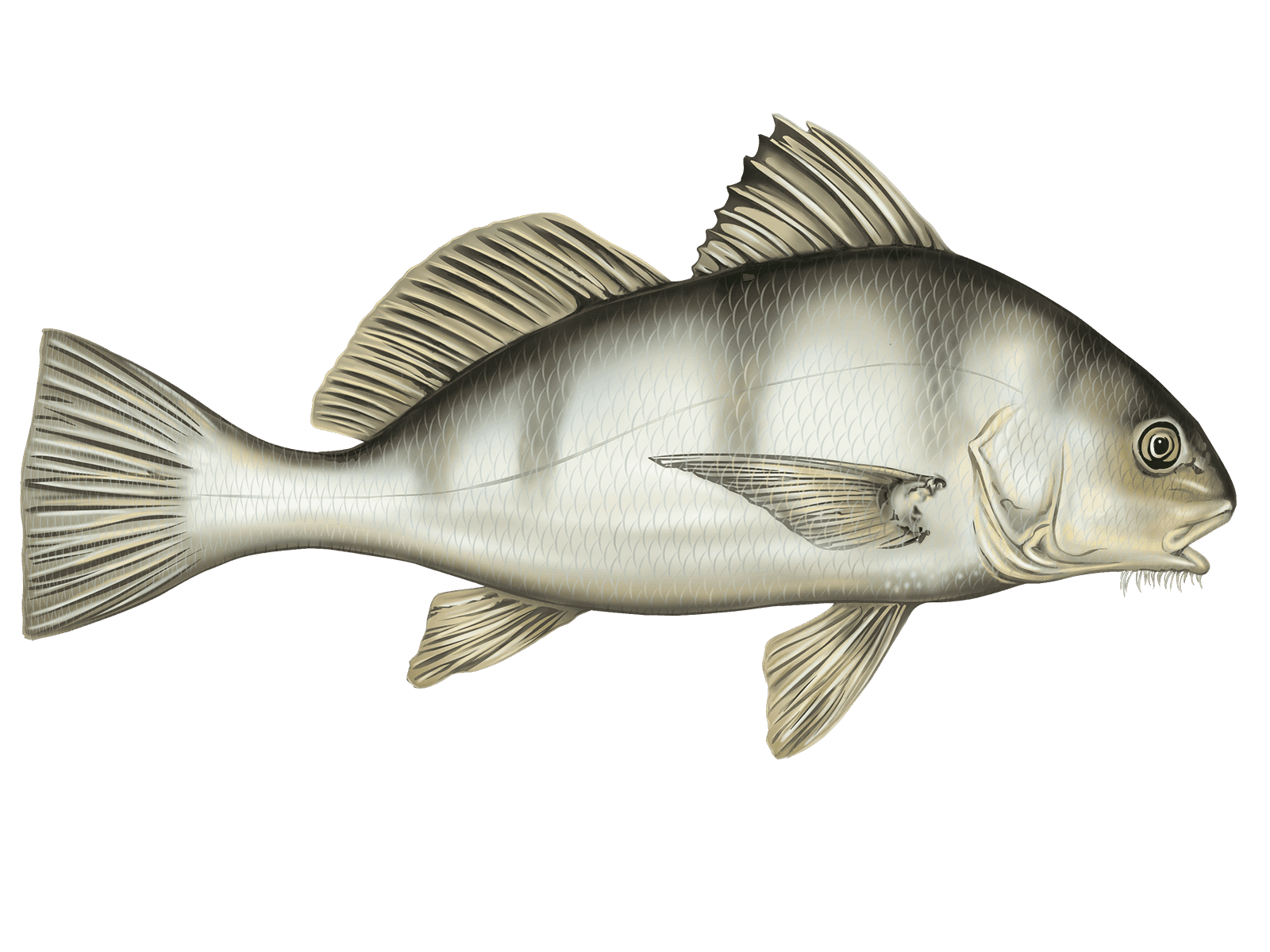
 Black Drum
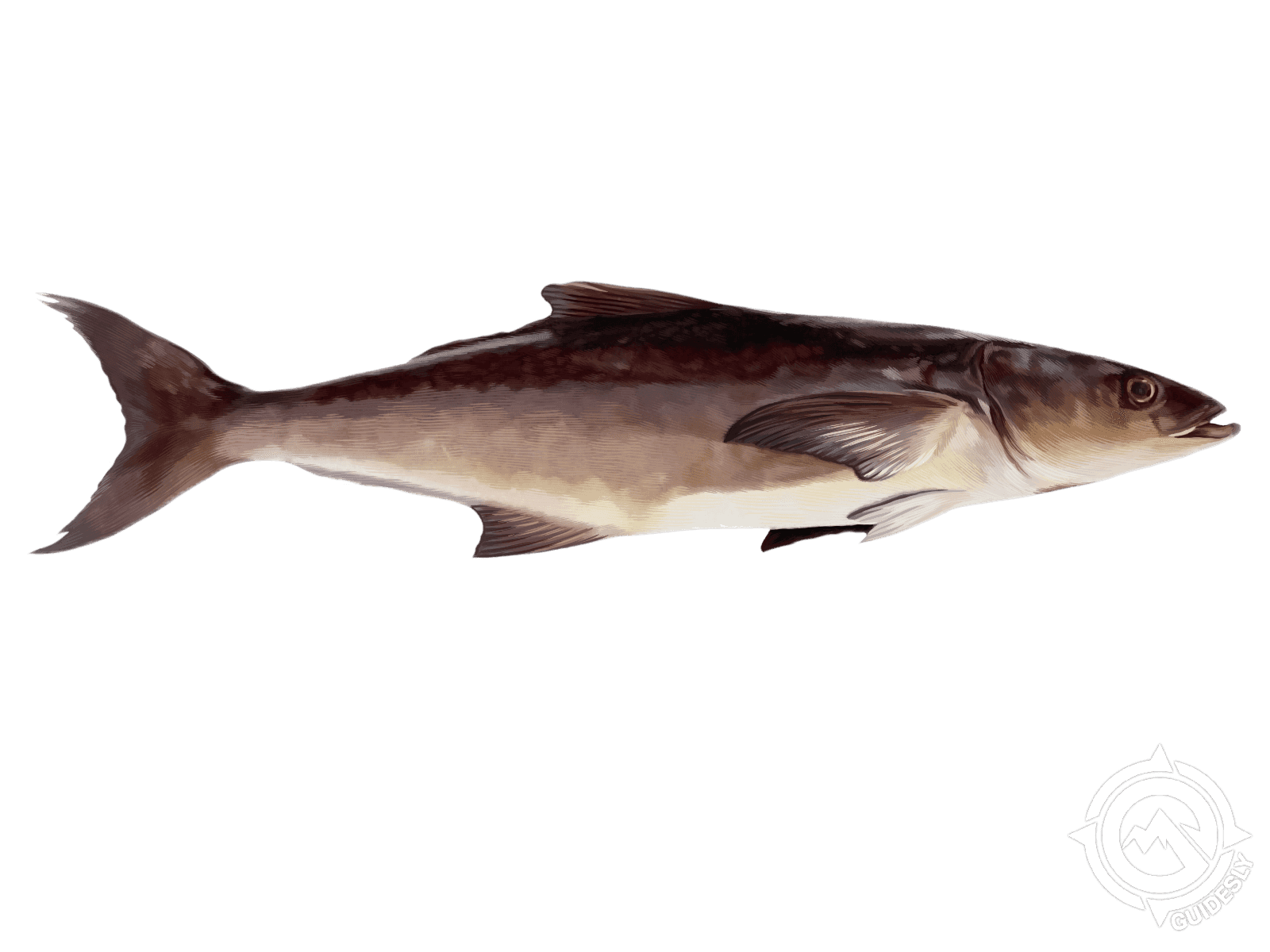
 Cobia
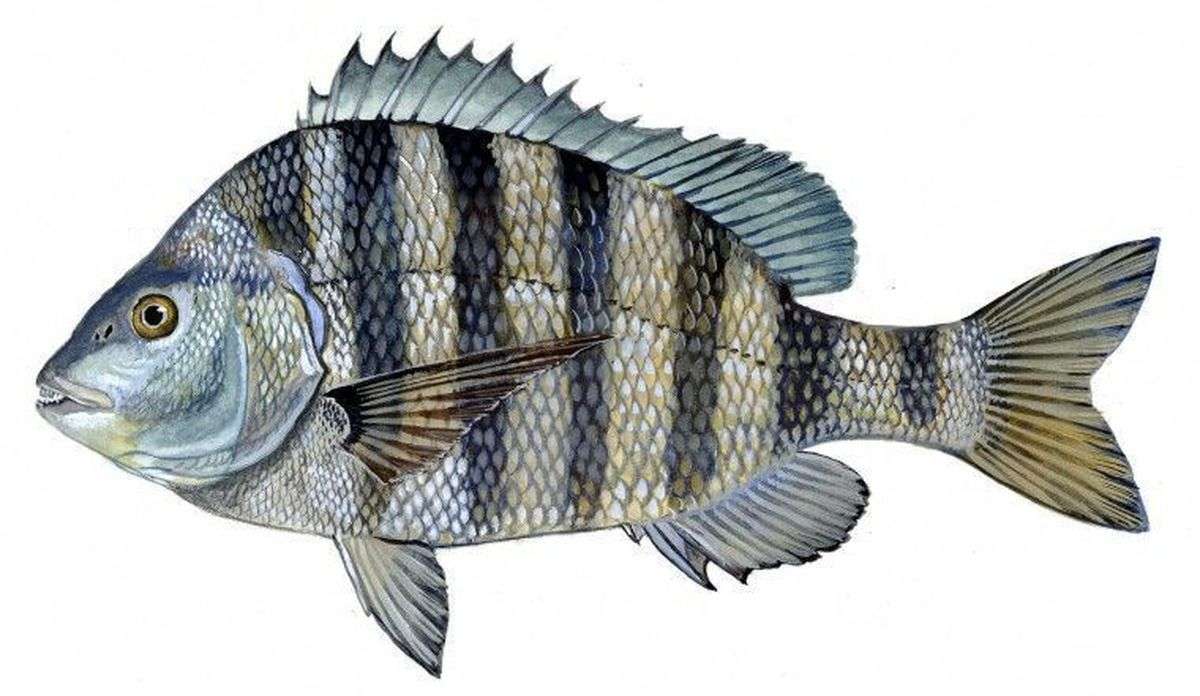
Cobia Sheepshead
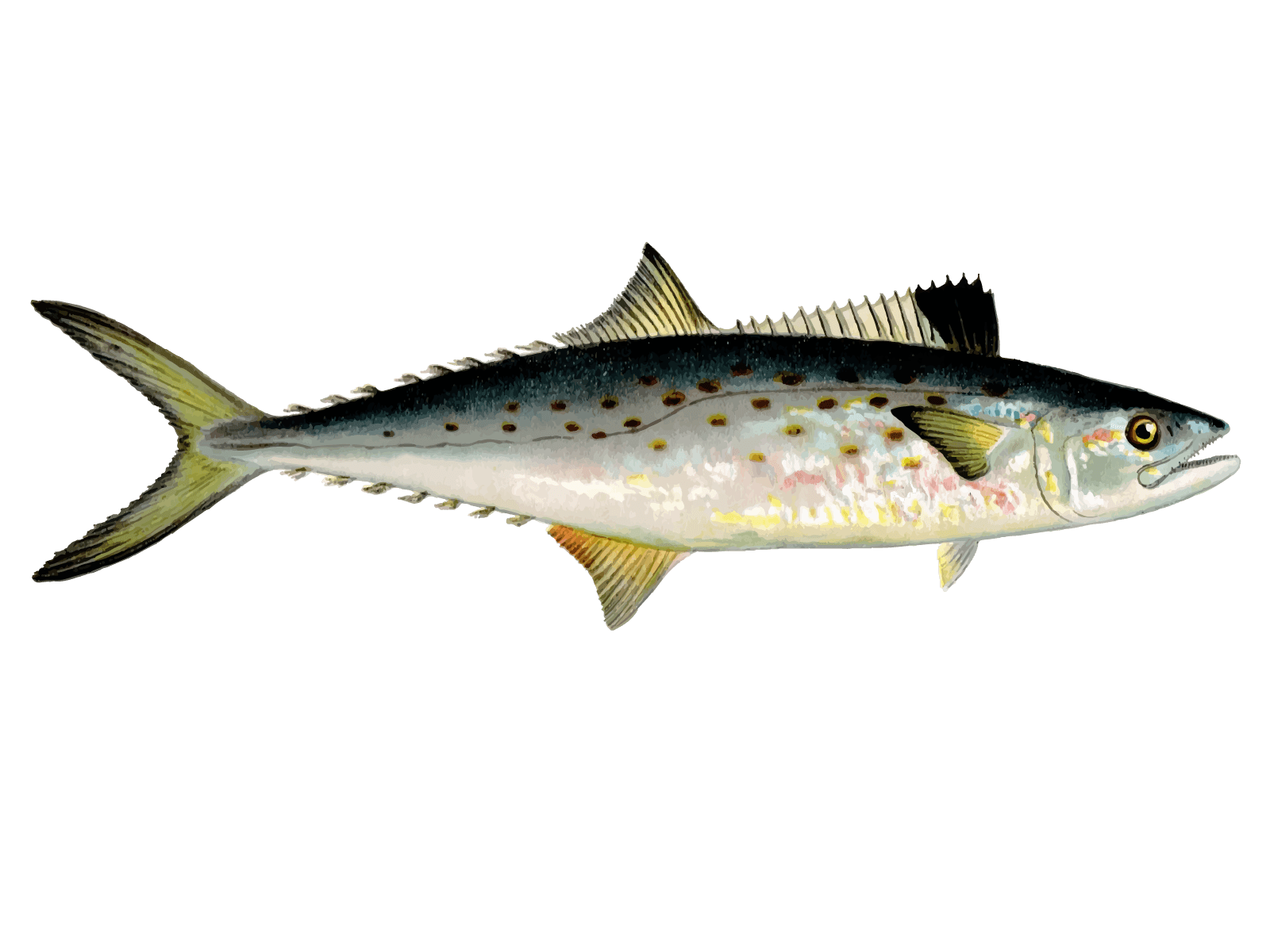
 Spanish Mackerel
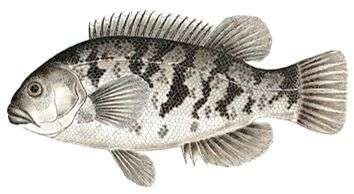
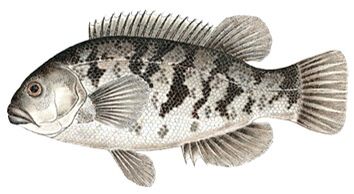 Tautog
- Half-day tautog and inshore species fishing charter
- Bottom fishing and trolling at Norfolk reefs and channels
- Four-hour trips accommodating up to four anglers with licenses
Trip Pricing and Availabilities:
Norfolk VA Tautog Inshore Half Day Fishing Charter
Ready to get your lines wet in some of Norfolk's most productive inshore waters? This half-day morning charter puts you right where the fish are biting, targeting everything from chunky tautog to feisty Spanish mackerel. Captain operates out of Norfolk's prime fishing grounds from March through December, timing each trip around tides and structure to maximize your hookups. Whether you're rolling out of bed for the 7am departure or prefer the 1pm afternoon session, you're looking at a solid 4-hour window to work the reefs, pilings, and channels where these fish love to hang out. At $500 for up to four anglers, it's a straightforward deal that includes all your fishing licenses - just bring yourself and get ready to fish.
What to Expect on the Water
This isn't your typical "hope for the best" fishing trip. The captain knows exactly where to find fish based on daily conditions, tidal movement, and seasonal patterns. You'll be working productive inshore structure like bridge pilings, artificial reefs, and deeper channels where tautog, sheepshead, and drum like to stack up. The beauty of Norfolk's inshore scene is the variety - one minute you might be pulling up a stubborn tautog from 30 feet down, the next you could have a cobia cruising by the surface. The boat handles up to four guests comfortably, with room for a fifth angler if your group needs it for an extra $100. This setup works perfectly for families or small groups of friends who want a more personal fishing experience without dealing with crowded party boats. The captain provides all the gear and knows these waters like the back of his hand, so you can focus on what matters - catching fish.
Techniques & Gear Setup
You'll be using two main approaches depending on what's biting and where the fish are holding. Bottom fishing is the bread and butter here - dropping baited rigs down to structure where tautog, sheepshead, and drum like to feed. The captain sets you up with the right tackle for the conditions, whether that's lighter spinning gear for mackerel or heavier bottom rigs for pulling tautog out of the rocks. When conditions are right, you'll also do some trolling to cover water and search for cobia, Spanish mackerel, or whatever else might be cruising the area. The key is staying flexible and reading the water. Some days the fish want live bait around the pilings, other days they're hitting artificials in the channels. The captain adjusts tactics throughout the trip based on what's working, moving between spots to keep the action going. All your fishing licenses are covered, so there's no paperwork to worry about - just show up ready to fish.
Target Species You'll Hook
Tautog are the main attraction here, and for good reason. These chunky, hard-fighting fish love Norfolk's rocky structure and provide some of the most consistent action from spring through fall. They're not the prettiest fish in the water, but they make up for it with attitude - tautog will test your drag and your patience as they try to wrap your line around every piece of structure they can find. Best fishing is typically during cooler months when they're feeding heavily, and a good-sized tog can easily push 15-20 pounds. They're excellent eating too, with firm white meat that's perfect for the dinner table.
Spanish mackerel bring the speed and excitement to this fishery. These silver bullets show up in late spring and stick around through fall, providing fast action when they're schooled up. They hit hard, run fast, and jump - everything you want in a sport fish. Most Spanish mackerel in these waters run 2-4 pounds, perfect for light tackle fun. They're also some of the best eating fish you'll find, with rich, flavorful meat that's fantastic grilled or smoked.
Black drum are the heavyweights of the inshore scene, and Norfolk's waters hold some real monsters. These fish can push 30-50 pounds or more, providing arm-burning fights around structure. They're bottom feeders that love crabs and cut bait, often showing up in good numbers during spring and fall. While the big ones are mostly catch and release, smaller drum in the 5-15 pound range make excellent table fare.
Sheepshead are the technical challenge of the group - these bait-stealing masters will test your reflexes and patience. They've got human-like teeth for crushing barnacles and crabs around structure, which makes them incredibly light biters. When you do hook one, they fight hard and dirty, trying to cut your line on every piece of structure nearby. Sheepshead are fantastic eating and provide some of the most rewarding catches when you finally outsmart them.
Cobia are the wild cards that can make your entire trip. These brown sharks (that aren't actually sharks) cruise the surface and around structure, often showing up when you least expect them. A good cobia can easily hit 30-40 pounds, providing bulldogging fights that'll have your arms burning. They're curious fish that sometimes follow the boat, giving you multiple chances to get a hook in them. Prime time is late spring through early fall when they're moving through Norfolk's waters.
Time to Book Your Spot
Norfolk's inshore fishing scene is world-class, and this half-day charter gives you the perfect taste without burning your entire day. The captain's local knowledge and flexible approach means you're fishing the right spots with the right techniques, whether the tautog are chewing around the bridge pilings or the Spanish mackerel are blowing up bait in the channels. With fishing licenses included and all gear provided, it's a hassle-free way to get on some quality fish. The 4-hour minimum gives you plenty of time to work different spots and species, and the small group size means everyone gets personal attention. Just remember that deposits are non-refundable, so make sure your dates work before you commit. Ready to see what Norfolk
Learn more about the species
Black Drum
Black drum are the heavyweights of the drum family, typically running 10-30 pounds but capable of reaching 90+ pounds. These dark, powerful fish have crushing jaws perfect for their shellfish diet and make distinctive drumming sounds you can actually hear underwater. They prefer brackish waters around oyster bars, muddy flats, and structure from shallow water down to 100 feet. Spring spawning season offers the best fishing when they school up in April through June. Guests love the strong, steady pull these fish provide - it's more bulldogging than jumping. Smaller drum under 15 pounds eat best. For success, fish fresh peeler crab or clams right on bottom near structure. The key is keeping your bait motionless - drum are deliberate feeders, not chasers.
Cobia
Cobia are brown, shark-looking loners that can reach impressive sizes up to 50+ pounds. Unlike most fish, they don't school but cruise solo or in small groups around reefs, buoys, and structure in 20-100 feet of water. Spring and summer bring the best action during their migration and spawning periods. What makes cobia fishing special is the sight-fishing aspect - you often see them cruising near the surface before casting. They're aggressive fighters with powerful runs and excellent table fare with firm, white meat. These fish respond well to bucktail jigs worked near structure or live bait like eels. Pro tip: when you spot one, get ahead of its path and let your jig sink - cobia are curious and will often investigate anything that moves naturally.
Sheepshead
Sheepshead are the "convict fish" with distinctive black bars on silver sides and human-like teeth that can steal bait like pros. They typically run 2-8 pounds and live around any structure - docks, pilings, reefs, and bridges where they feed on barnacles and crabs. Best fishing happens in cooler months when they move inshore to spawn. What guests love about sheepshead is the challenge - they're notorious bait thieves with light bites that require quick hook sets. The reward is some of the best eating fish in our waters with sweet, white meat. Success comes from fishing tight to structure with small hooks and fresh fiddler crabs or shrimp. Set your hook hard the instant you feel weight - hesitate and they'll clean your hook every time.
Spanish Mackerel
Spanish mackerel are fast, silver speedsters with yellow spots scattered along their sleek sides. These fish typically weigh 2-4 pounds and travel in large schools near the surface. You'll find them around our local reefs, channels, and structure from late spring through fall when water temps climb. They're incredibly fast swimmers that put up a spirited fight on light tackle, making multiple runs before coming to the boat. The meat is excellent - mild, flaky, and perfect for grilling or smoking. Spanish mackerel are also popular for sushi when super fresh. My go-to technique is trolling small spoons or casting jigs to schooling fish. When you find one school, work it fast since they move constantly and won't stay put long.
Tautog
Also called blackfish, tautog are chunky members of the wrasse family with mottled brown skin and powerful jaws built for crushing shellfish. They typically run 1-3 pounds but can reach impressive sizes up to 28 pounds. These fish love structure - rocks, pilings, and reefs where they hunt crabs, mussels, and barnacles during daylight hours. Around Norfolk, spring through fall offers the best action when they're most active. What makes tautog special is their hard fight in tight quarters and excellent table fare when prepared fresh. Here's a local trick: use green crabs with legs removed, crush some shell pieces to create scent, and fish tight to structure. Change your bait every 5 minutes - fresh crab scent triggers feeding better than anything else.
About the Remedy Sport Fishing
%2F%2Fusers%2Ffc28bccc-4d1f-4015-8d58-81cad7964d5d%2Fvehicle_picture%2Fchatgptimagefeb14202610_36_53am-mllpy8sm.png&w=1920&q=75)
Vehicle Guest Capacity: 5
Manufacturer Name: Yamaha
Maximum Cruising Speed: 35
Number of Engines: 1
Horsepower per Engine: 250