%2Ffit-in%2F250x250%2Fguide_websites%2F119354%2Fimages%2F1771043661510chatgptimagefeb14202610_09_23am.png&w=1920&q=100)
/users/fc28bccc-4d1f-4015-8d58-81cad7964d5d/ratecard/5-mlrfxiul.jpg)
%2F300x300%2Fusers%2Ffc28bccc-4d1f-4015-8d58-81cad7964d5d%2Fratecard%2F5-mlrfxiul.jpg&w=256&q=75)
%2F300x300%2Fusers%2Ffc28bccc-4d1f-4015-8d58-81cad7964d5d%2Fimages%2Ftautog-catch-norfolk-2383.jpg&w=256&q=75)
%2F300x300%2Fusers%2Ffc28bccc-4d1f-4015-8d58-81cad7964d5d%2Fimages%2Ffishing-norfolk-2409.jpg&w=256&q=75)
%2F300x300%2Fusers%2Ffc28bccc-4d1f-4015-8d58-81cad7964d5d%2Fimages%2Ffishing-virginia-adventure-2525.jpg&w=256&q=75)
%2F300x300%2Fusers%2Ffc28bccc-4d1f-4015-8d58-81cad7964d5d%2Fimages%2Ffishing-norfolk-2678.jpg&w=256&q=75)
%2F300x300%2Fusers%2Ffc28bccc-4d1f-4015-8d58-81cad7964d5d%2Fimages%2Ffishing-adventure-virginia-3060.jpg&w=256&q=75)
%2F300x300%2Fusers%2Ffc28bccc-4d1f-4015-8d58-81cad7964d5d%2Fimages%2Fsummer-flounder-fishing-va-3205.jpg&w=256&q=75)
%2F300x300%2Fusers%2Ffc28bccc-4d1f-4015-8d58-81cad7964d5d%2Fimages%2Ffishing-norfolk-best-great-3373.jpg&w=256&q=75)
%2F300x300%2Fusers%2Ffc28bccc-4d1f-4015-8d58-81cad7964d5d%2Fimages%2Fanglers-fishing-virginia-3536.jpg&w=256&q=75)
%2F300x300%2Fusers%2Ffc28bccc-4d1f-4015-8d58-81cad7964d5d%2Fimages%2Fbest-fishing-norfolk-3569.jpg&w=256&q=75)
%2F300x300%2Fusers%2Ffc28bccc-4d1f-4015-8d58-81cad7964d5d%2Fimages%2Fbest-fishing-adventure-va-3181.jpg&w=256&q=75)
Norfolk VA Inshore Full Day Charter Remedy Sport
What you will be catching:
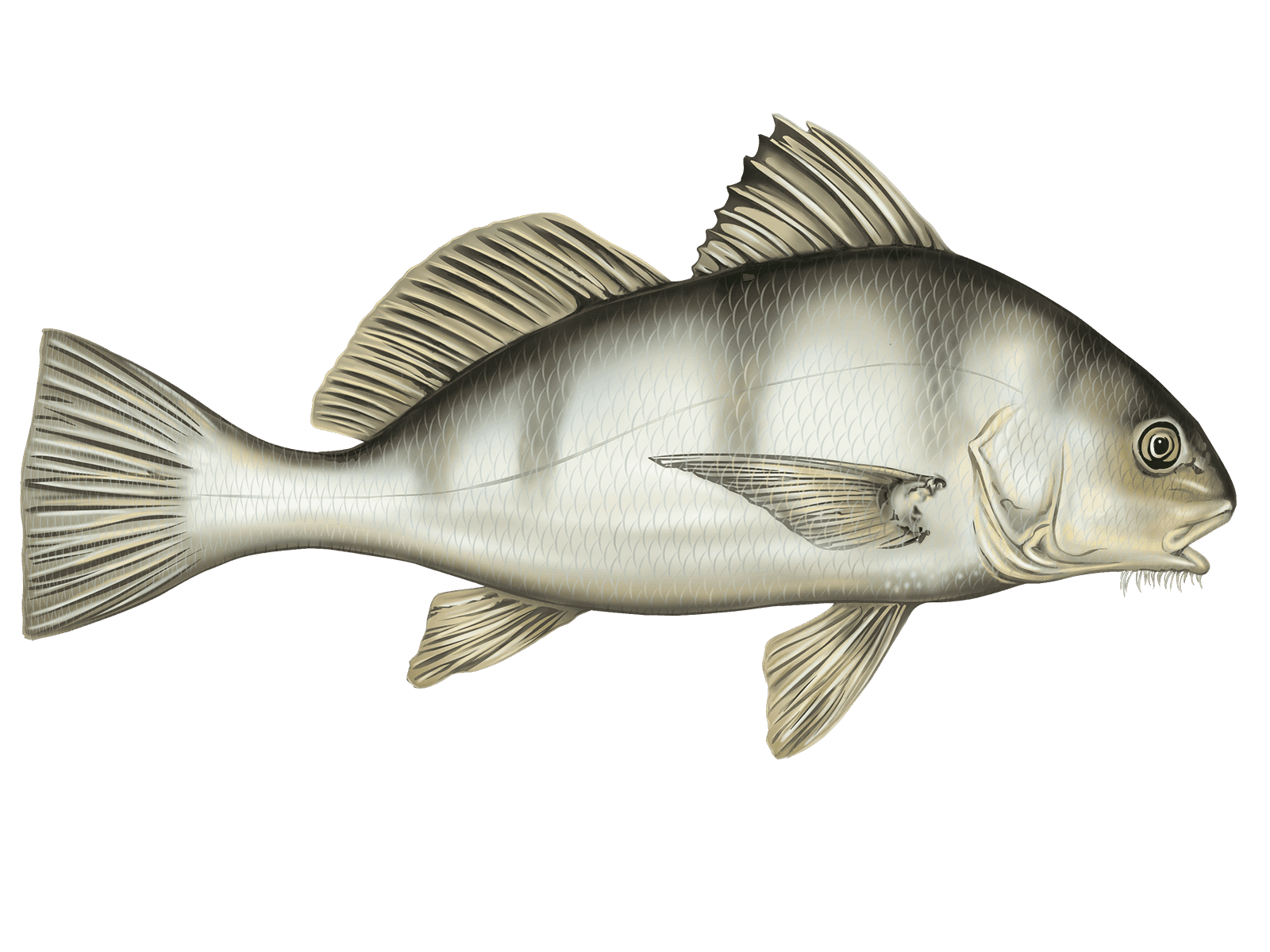
 Black Drum
 Cobia
Cobia Sheepshead
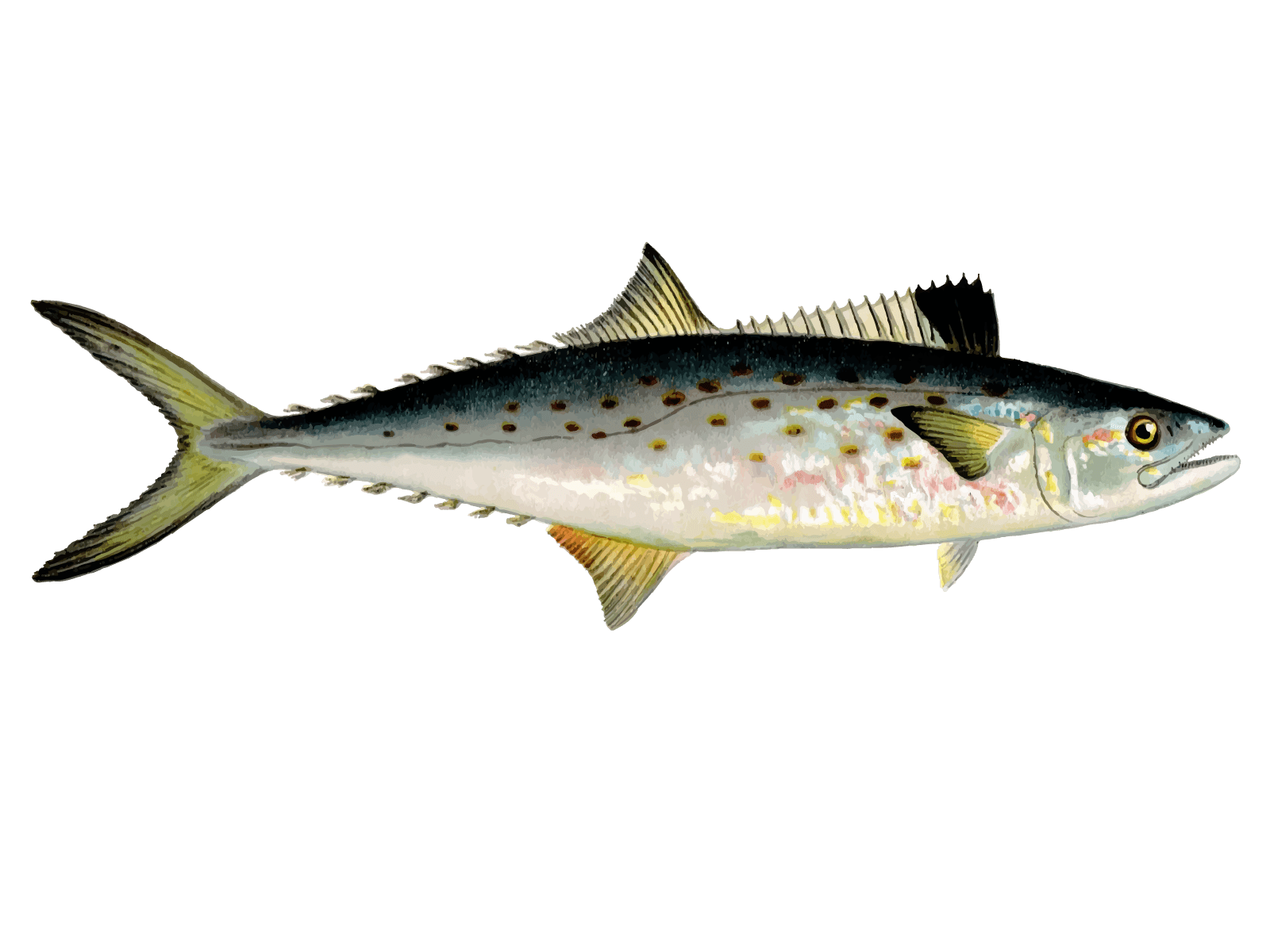
 Spanish Mackerel
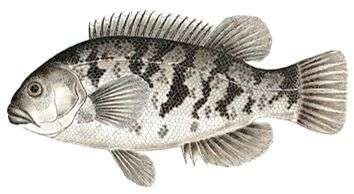
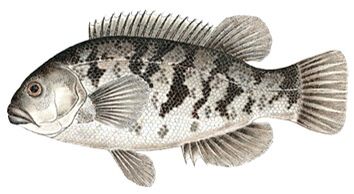 Tautog
- 8-hour inshore fishing adventure targeting six premium species
- Expert guides provide instruction for all skill levels and families
- All licenses included, accommodates up to four anglers total
Trip Pricing and Availabilities:
Inshore Full Day Norfolk VA Fishing Charter
Looking for a solid day on the water targeting some of Virginia's best inshore species? This full-day charter with Remedy Sport Fishing puts you right in the action around Norfolk's productive inshore waters. We're talking 8+ hours of fishing time, working everything from shallow structure to deeper channels where the fish stack up. Whether you're after hard-fighting tautog around the pilings or hunting for doormat flounder in the grass beds, this trip covers all the bases. Perfect for families, mixed groups, or anyone wanting to experience what makes Norfolk inshore fishing so special.
What to Expect on the Water
This charter runs from March through December, timing perfectly with tautog season and the migrations of other key species. You'll fish productive structure, channels, and known hotspots where these fish congregate throughout the year. The boat holds up to four anglers comfortably, with room for a fifth if your group needs it. All fishing licenses are covered, so you just need to show up ready to fish. The captain knows these waters like the back of his hand and will put you on fish based on conditions, season, and what's biting. Expect a mix of action throughout the day as we move between spots and techniques to keep lines tight.
Techniques & Tackle
We use a combination of trolling and bottom fishing techniques depending on what we're targeting and where we find them. Trolling lets us cover water efficiently when hunting for cobia and Spanish mackerel, while bottom fishing around structure is deadly for tautog, sheepshead, and black drum. The captain provides all the gear you need, from rods and reels to terminal tackle and bait. You'll learn proper bottom fishing techniques around pilings and structure, how to feel the difference between a bite and a snag, and the best ways to present baits to different species. For trolling, we'll set up spreads that cover different depths and speeds to maximize your chances of hooking up.
Species You'll Want to Hook
Tautog are the bread and butter of Norfolk inshore fishing, especially around structure like bridge pilings, artificial reefs, and wrecks. These hard-fighting fish have incredible pulling power for their size and are notorious for testing your drag system. They're most active during cooler months, making fall and early winter prime time for targeting them. What makes tautog so exciting is their aggressive bite around structure – when they hit, you know it immediately.
Spanish Mackerel provide fast-paced action during their seasonal runs, typically from late spring through fall. These speedsters hit trolled baits hard and make blistering runs that'll wake up anyone dozing on deck. They school up in good numbers around Norfolk, and when you find them, you can expect steady action. Their razor-sharp teeth and acrobatic fights make them a favorite for anglers wanting consistent action.
Black Drum are the heavyweights of the inshore scene, with mature fish capable of pulling serious drag. These bottom-dwellers love structure and can be found around pilings, oyster bars, and channel edges. Spring brings the big spawning fish into shallower water, offering shots at trophy-class drum. Their powerful runs and stubborn fights make them a prized catch for anglers looking for something with real pulling power.
Sheepshead are the thieves of the inshore world, known for their ability to steal bait without getting hooked. These black-and-white striped fighters hang around structure where they feed on barnacles and crustaceans. Landing a good sheepshead requires patience and quick reflexes – they bite light and spit the bait fast. When you do connect, they fight hard and make excellent table fare with their firm, white meat.
Cobia are the wildcards of Norfolk inshore fishing, showing up when conditions are right and providing some of the most exciting fishing of the year. These brown sharks of the inshore world are curious fish that will often approach the boat, giving anglers sight-fishing opportunities. When hooked, cobia make powerful runs and can put on quite a show near the boat. Spring and early summer offer the best chances for these prized gamefish.
Time to Book Your Spot
At $900 for up to four anglers, this full-day charter delivers serious value for groups wanting to experience Norfolk's top-rated inshore fishing. The 8-hour minimum gives you plenty of time to work different areas, try various techniques, and target multiple species as conditions change throughout the day. With all licenses included and expert guidance from start to finish, you're set up for success whether you're beginners or seasoned anglers. The season runs March through December, so there's plenty of opportunity to get out there and see what Norfolk's inshore waters have to offer. Don't wait – the best days on the water book up fast, especially during peak season when the fishing is world-class.
Learn more about the animals
Black Drum
These big bruisers are the heavyweights of the drum family, commonly running 5-30 pounds but capable of hitting 90 pounds. They make distinctive drumming sounds you can actually hear underwater during spawning season. Black drum love shallow, muddy flats and oyster beds where they crush crabs and mollusks with powerful jaws. Spring is prime time when they school up for spawning - much easier to target then. The smaller ones under 15 pounds are excellent table fare with flaky white meat. Bigger fish get tough and stringy. They're strong fighters that use their weight against you. Best tip: use fresh crab bait and fish right on the bottom. They're picky eaters, so if catfish keep stealing your shrimp, switch to crab - they can't handle the shells but drum crush them easily.
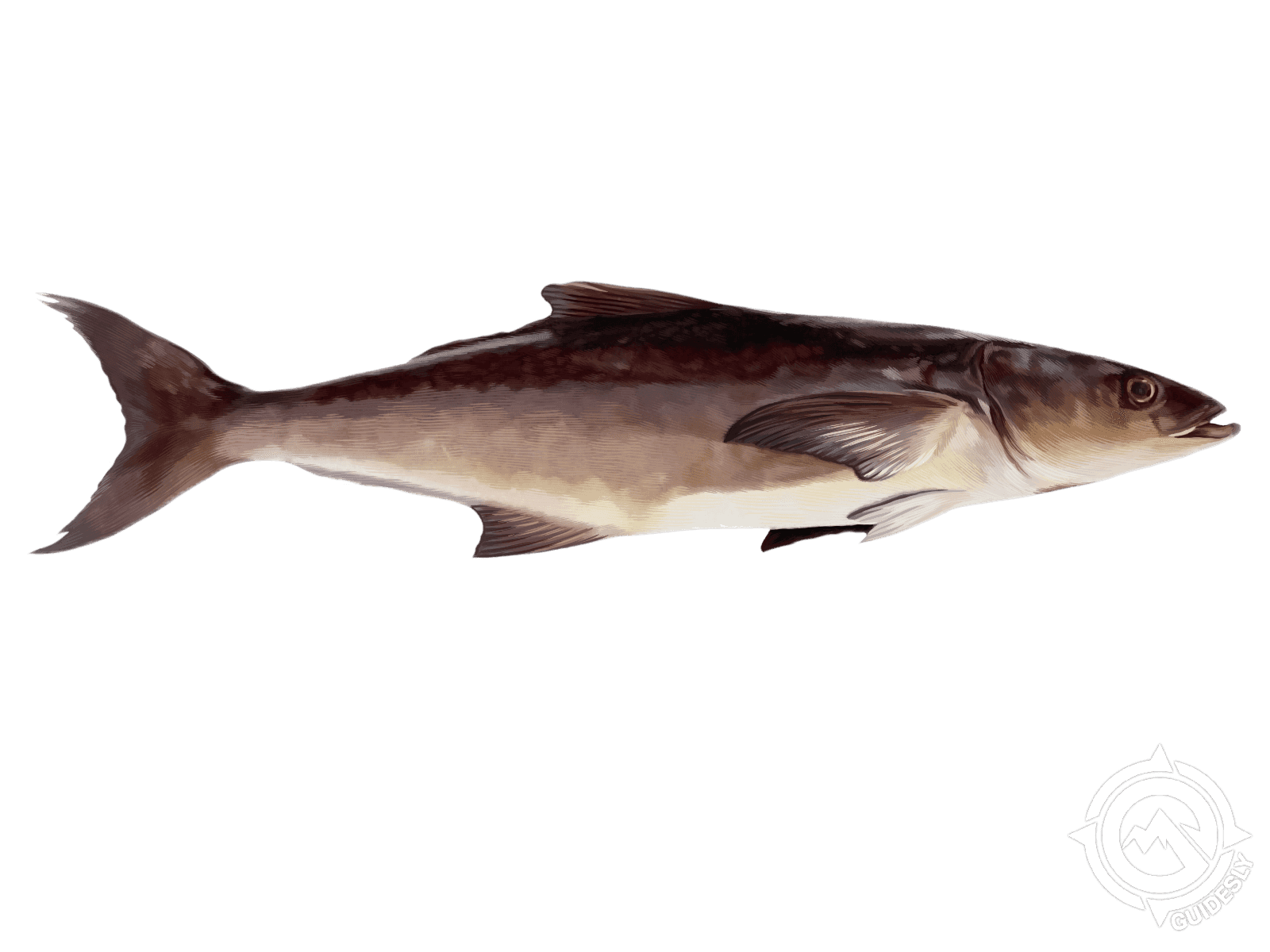
Cobia
These big brown fish look like sharks at first glance but are actually premium table fare reaching 6 feet and 100 pounds. Cobia are loners, not schooling fish, so each one is a prize. We find them around structure like reefs, wrecks, and buoys in 30-70 feet of water during their spring migration and summer months. They're aggressive predators eating crabs, squid, and smaller fish. What guests love is the strong fight and firm, flaky meat that's restaurant-quality. They're curious fish, often following boats or checking out divers. The bite can be explosive when they decide to eat. Best approach is sight fishing - look for that dark shadow just under the surface near structure. Bucktail jigs work great, but don't overthink the color. When you see one, get that jig down fast and be ready for a serious fight.
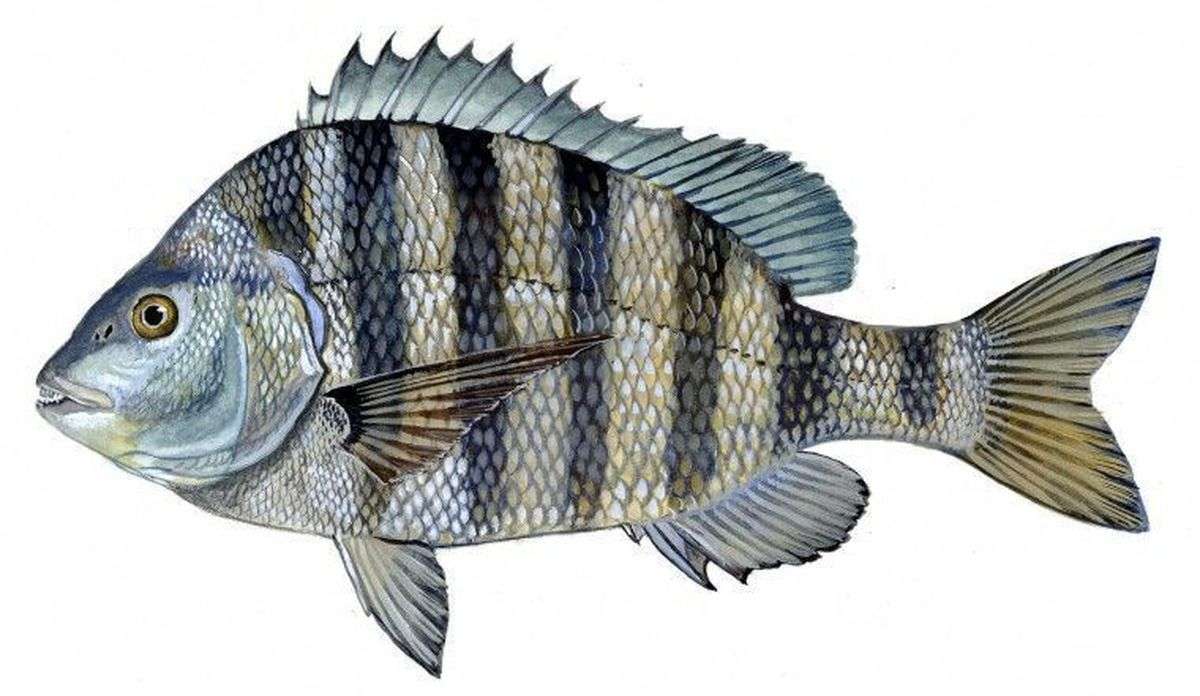
Sheepshead
The "convict fish" with black stripes and human-like teeth are some of the smartest fish you'll target. They average 1-8 pounds around docks, bridges, and any barnacle-covered structure. Sheepshead are notorious bait thieves - they'll nibble and pick until your hook is clean. Spring spawning season from February through April is best when they gather in big numbers. The white meat is sweet and mild, making them excellent eating despite being tough to clean. What makes them challenging is they rarely move far from cover and have those crushing teeth. They feed on barnacles, crabs, and fiddler crabs around structure. Pro tip: get your bait tight against the pilings and set the hook hard the moment you feel them nibbling. Use fiddler crab or shrimp, and don't wait - they'll steal it clean if you hesitate.
Spanish Mackerel
These silvery speedsters with yellow spots are some of the fastest fish you'll hook inshore. They typically run 1-2 feet long and 8-11 pounds, swimming in big schools that can stretch for miles. Spanish mackerel love warm water and structure - we find them around channels, flats, and near baitfish from late spring through fall. What guests love is the fight - they're lightning fast and acrobatic when hooked. Plus, the meat is mild and flaky, perfect for grilling or smoking. They're not picky eaters, going after sardines, shrimp, and small baitfish. Here's a local trick: when you see birds working the surface, get there fast and cast shiny spoons or small jigs. These fish move quickly, so once you find a school, work it hard before they disappear.
Tautog
Also called blackfish, these thick-bodied fish are built for life around rocks and structure. Most run 1-3 pounds, but you can find bigger ones up to 28 pounds if you're lucky. They've got strong jaws for crushing crabs and mussels, which makes them fun to fight once hooked. Around Norfolk, we target them near jetties, wrecks, and rocky bottom from April through November when they're most active. The meat is sweet and firm - really good eating. What makes tautog tricky is they're notorious bait thieves with those crushing teeth. My tip: use fresh green crab, crush some shell pieces around your spot to get them feeding, and change your bait every 5 minutes. They'll steal it clean off the hook if you wait longer.
About the Remedy Sport Fishing
%2F%2Fusers%2Ffc28bccc-4d1f-4015-8d58-81cad7964d5d%2Fvehicle_picture%2Fchatgptimagefeb14202610_36_53am-mllpy8sm.png&w=1920&q=75)
Vehicle Guest Capacity: 5
Manufacturer Name: Yamaha
Maximum Cruising Speed: 35
Number of Engines: 1
Horsepower per Engine: 250